Complete Energy Efficiency Upgrades for Homes in Cyprus
Solar, insulation and smart controls work best together. Here is how Cyprus homeowners can plan a complete energy efficiency upgrade, and in what order.
Energy efficiency is no longer just about lowering electricity bills. In Cyprus, it has become a practical way for homeowners to improve comfort, reduce long-term costs, and make their properties more resilient to rising energy prices. Cyprus households continue to face high residential electricity costs, while solar economics remain attractive because of strong sunshine levels and relatively short payback periods for well-sized systems.
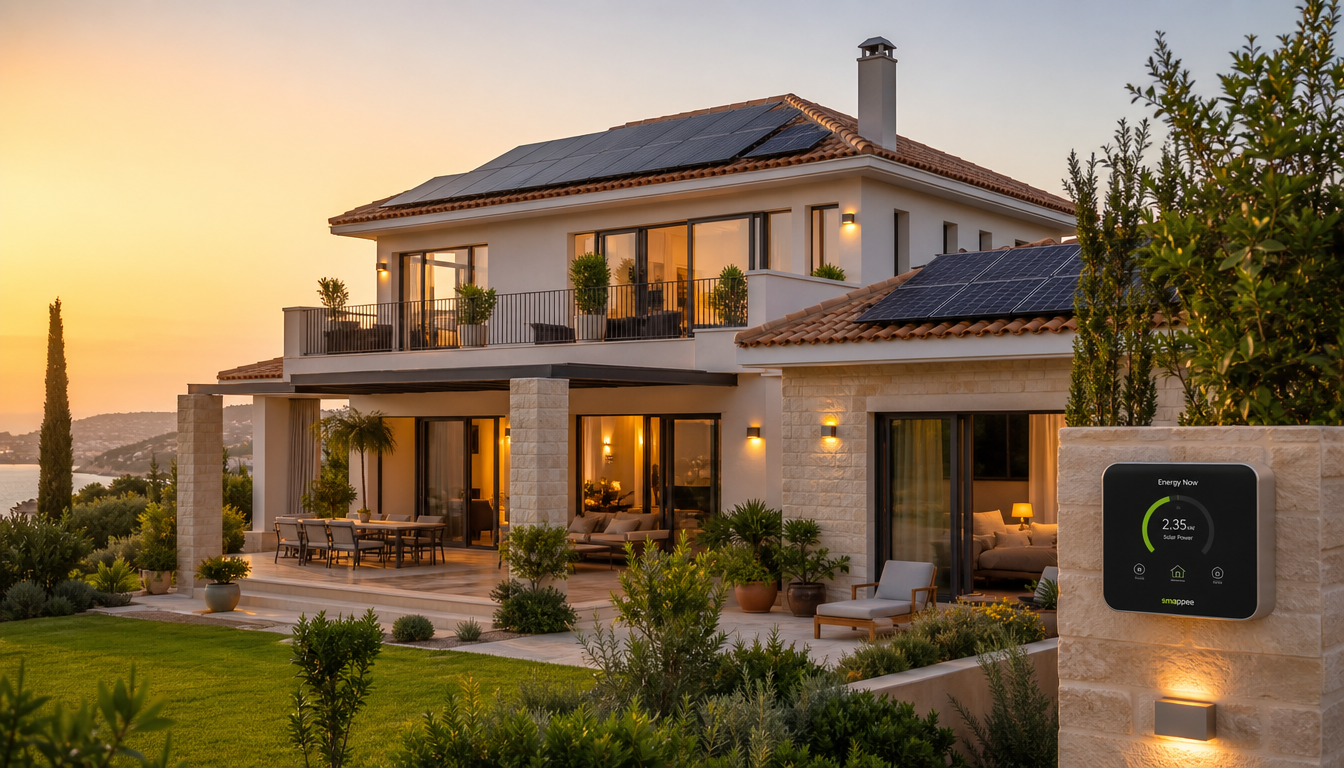
For that reason, the smartest home upgrades are no longer isolated improvements. A truly efficient home combines energy generation, energy retention, and energy optimization into one strategy. When solar, insulation, and smart technology work together, each upgrade becomes more effective than it would be on its own.
What complete energy efficiency means
Complete energy efficiency means looking at the home as a connected system. It starts with producing clean electricity through solar, continues with reducing avoidable energy loss through insulation and building-envelope improvements, and improves further through smart controls that help households manage how and when electricity is used.
This matters because no single upgrade solves everything. A home that produces solar power but loses cooling through the roof or windows still wastes energy, while a well-insulated home without smart controls may miss opportunities to shift consumption to the most cost-effective times. The strongest results come from combining these upgrades in a structured way.
Solar as the foundation
For many homes in Cyprus, solar is the natural starting point. Eletoyia designs and installs photovoltaic systems across Cyprus and handles the process from system design and paperwork to grid connection, inspections, monitoring setup, and ongoing support.
The financial case remains strong. Residential electricity prices in Cyprus commonly fall in the €0.28 to €0.34 per kWh range, while a typical 5 kWp rooftop PV system can deliver roughly 8,000 to 8,500 kWh per year and often reaches simple payback in about four to five years depending on configuration.
Solar, however, should not be viewed as a stand-alone fix. Under today's net-billing environment, self-consumption matters more than ever, which means homeowners benefit most when solar is paired with a house that uses energy efficiently in the first place.
Insulation and building performance
Once a home starts generating electricity, the next question is how efficiently that energy is being used. Insulation improvements can reduce heat entering the property in summer and limit losses in winter, helping air-conditioning and other systems work less to maintain comfortable indoor temperatures.
In practical terms, this can include roof insulation, wall insulation, better glazing, and attention to problem areas where heat transfer is highest. The result is not only lower consumption, but also a better return from solar because the household needs less electricity overall to achieve the same level of comfort.
This is often the missing piece in energy planning. Instead of sizing a larger solar system to compensate for waste, homeowners can first improve the building's thermal performance and then install a system that is better matched to real demand.
Smart technology and control
The third layer of complete energy efficiency is optimization. Smart thermostats, timers, monitoring tools, and home automation systems help homeowners understand where electricity is being used and adjust habits or settings accordingly.
This becomes especially valuable in a solar-powered home. Under current conditions in Cyprus, self-consumed electricity is significantly more valuable than exported electricity, and Eletoyia notes that batteries can raise self-consumption from around 30 percent to roughly 70 to 80 percent for a typical household. Smart controls support the same goal by helping families run major loads at the right time and make better use of the energy they produce.
In other words, solar generates the opportunity, while smart systems help capture more of its value. That combination can improve savings without requiring unnecessary oversizing or guesswork.
How to choose the right partners
A complete energy-efficiency upgrade usually involves more than one specialist. A homeowner may need support with photovoltaics, insulation, glazing, smart-home systems, or broader renovation work, and that raises an important planning question: how should those providers be selected?
There are several valid approaches. Some people prefer to work with professionals they already know, while others rely on referrals from friends, engineers, or contractors. For homeowners who want a broader and more objective view of available options, it can also help to explore platforms such as BolsterUp, which are built to connect projects, businesses, and products across the construction ecosystem. Whether a homeowner already has a trusted installer, wants to compare several alternatives, or prefers a more data-supported selection process, the key is to choose partners who understand how each upgrade affects the others.
A better order for home upgrades
One of the most common mistakes in renovation planning is treating every upgrade as separate. In reality, the order matters. A more effective path usually looks like this:
- Review current energy use and identify the biggest sources of waste.
- Improve the building envelope through insulation or glazing where needed.
- Size and install the solar system based on more efficient consumption patterns.
- Add monitoring, automation, or storage to improve self-consumption and control.
This sequence helps homeowners avoid overspending and creates a cleaner return on investment over time. It also supports a more realistic long-term plan for the property, especially for owners who care about resale value, operating costs, or future energy independence.
Why this matters for property value
Energy-efficient homes are increasingly easier to justify from both a lifestyle and property perspective. Buyers and tenants pay attention to running costs, comfort, and the condition of core systems, especially in warm climates where cooling demand is significant.
A home with solar, stronger insulation, and smarter energy management is easier to position as modern, lower cost to operate, and better prepared for future energy conditions. The advantage is not only financial on a monthly bill; it is also strategic, because the property becomes more attractive in a market that increasingly values efficiency and resilience.
Complete energy efficiency is not about installing one product and hoping for the best. It is about creating a home where solar generation, insulation, and smart technology work together. For homeowners in Cyprus, that approach can mean lower bills, better comfort, and a property that is ready for the future.